
Secured vs Unsecured Bond: What Families Need to Know

A secured bond requires collateral (cash, property, or a vehicle title) backing the promise to appear in court; an unsecured bond relies only on a signature. Secured bonds typically require collateral and may involve upfront costs, but courts often grant them more readily. Unsecured bonds save cash but hinge entirely on a judge’s discretion. Call a licensed bondsman or your court clerk first to find out which one applies to your case.
TL;DR:
- Secured bonds are backed by specific assets like cash or property, which can be seized or foreclosed if the defendant fails to appear in court.
- Unsecured bonds rely solely on a signature and carry higher long-term risks of civil judgments and wage garnishments if the defendant misses court.
- Courts often prefer secured bonds for higher charges or repeat offenses, while judges’ discretion mainly influences unsecured bond eligibility for misdemeanors.
- A secured bond premium is generally capped at 12% in Louisiana, while unsecured bonds involve no upfront costs but pose greater financial liability if the defendant defaults.
- Talking to a licensed bondsman about collateral options, fees, and timing is crucial before choosing between secured and unsecured bonds.
Table of Contents
- Secured vs Unsecured Bond: How Collateral Changes the Risk
- What Is an Unsecured Bail Bond and Who Qualifies?
- Secured vs Unsecured Bond: A Quick Comparison
- How Judges Decide Between Secured and Unsecured Bonds
- How a Bail Bondsman Actually Handles Both Bond Types
- Choosing Between Secured and Unsecured: Your Action Checklist
- The Real Trade-Off Nobody Talks About Enough
- Sources
Secured vs Unsecured Bond: How Collateral Changes the Risk
A secured bond is backed by assets set aside specifically to guarantee the defendant shows up for every court date. In a bail context, that collateral is usually cash, real estate, a vehicle title, or sometimes jewelry or other high-value property. The bondsman or the court holds a legal claim against that asset until the case resolves.
Here’s the part families often miss: collateral doesn’t just sit there quietly. If the defendant skips court, the bondsman can move to place a lien on the property, seize the cash deposit, or start foreclosure proceedings on a home used as collateral. That process isn’t instant, but it isn’t slow either. Once a judge issues a forfeiture order, the clock starts ticking on collection.
Cost-wise, secured bonds through a bondsman typically involve a nonrefundable premium rather than posting the full bail amount in cash. Louisiana caps that premium at 12%, and Carter Bail Bonds prices at that maximum rate rather than padding it further. Compare that to posting the full bond amount directly with the court, which ties up far more cash for the duration of the case.
Secured bonds show up most often with:
- Felony charges or repeat offenses
- Defendants with a prior failure to appear on record
- Higher bail amounts where the court wants a financial deterrent
Pro Tip: Ask upfront whether the bondsman offers collateral-light options. Many families assume they need to hand over a house title when a smaller cash deposit or a cosigner’s signature will satisfy the requirement.
What Is an Unsecured Bail Bond and Who Qualifies?
An unsecured bond skips the collateral entirely. The defendant (and sometimes a cosigner) signs a document promising to pay the full bail amount if they miss court, but no property or cash changes hands upfront. This is what’s happening with a personal recognizance (PR) bond, a signature bond, or release on recognizance, which are all variations on the same idea: the court is betting on the defendant’s word.
Judges don’t hand these out randomly. They weigh the charge severity, the defendant’s criminal history, and how rooted the person is in the community, things like a steady job, family nearby, or years at the same address. Misdemeanor charges with no prior failures to appear are the most common candidates for this treatment.
The catch comes if the defendant misses a court date. Because there’s no collateral to seize, the consequence shifts to a civil judgment against whoever signed the bond. That means wage garnishment, collection calls, and a debt that follows the signer for years, even without a house or car on the line.
Trade-offs worth knowing:
- No upfront cash or asset risk if everything goes smoothly
- Full financial exposure if the defendant fails to appear, since there’s no cushion of collateral
- Availability depends heavily on judicial discretion, not a guaranteed right
Secured vs Unsecured Bond: A Quick Comparison
When you’re standing in a courthouse hallway trying to make sense of paperwork, you don’t need theory. You need a fast read on what’s different.
- Collateral requirement: Secured bonds need cash, property, or a title. Unsecured bonds need only a signature.
- Who bears the risk: With secured bonds, the collateral owner (often a cosigner) risks losing the asset. With unsecured bonds, the signer risks a civil judgment instead.
- Typical cost outcome: Secured bonds through a bondsman usually mean a nonrefundable premium, often up to 12% in Louisiana. Unsecured bonds cost nothing upfront but carry higher long-term liability if things go wrong.
- Time to release: Secured bonds can move quickly once collateral is verified. Unsecured bonds depend on how fast a judge signs off, which varies by court schedule.
- Judicial likelihood: Secured bonds are common across most charge levels. Unsecured bonds depend on judicial discretion and are far less predictable.
Before you talk to anyone, run through this short checklist:
- Do we have collateral available, and are we comfortable risking it?
- Is the charge one where an unsecured bond is realistically on the table?
Worth asking a bondsman or clerk directly: What’s the fee structure? What counts as acceptable collateral? When does collateral get released after the case closes? What exactly triggers forfeiture?
How Judges Decide Between Secured and Unsecured Bonds
Judges don’t flip a coin. They’re weighing a specific set of factors every time bail comes up, and the outcome can shift dramatically depending on the details of the case.
The severity of the charge matters most. A violent felony almost always points toward a secured bond, sometimes with cash-only conditions and no bondsman option at all. Flight risk factors in too: does the defendant have ties to the area, or reasons to disappear?
Prior failures to appear are close to a disqualifier for unsecured release. Once a judge sees that history, the calculus shifts hard toward requiring collateral. Victim safety concerns, especially in domestic violence or stalking cases, can also override any leniency a defendant’s record might otherwise earn.
Some jurisdictions apply statutory bail schedules that limit judicial flexibility, while others leave the decision almost entirely to the judge’s discretion. Prosecutors and pretrial services officers frequently weigh in too, particularly in counties with dedicated pretrial risk assessment programs. That means the exact same charge can result in a secured bond in one parish and an unsecured release in another.
- Charge severity and criminal history carry the most weight
- Community ties can tip a borderline decision toward unsecured release
- Local court practices and statutory caps vary more than most people expect
How a Bail Bondsman Actually Handles Both Bond Types
When a family calls a bondsman, the first question is usually the bail amount, followed by whether the defendant qualifies for a secured or unsecured release. From there, the bondsman coordinates directly with jail staff to move the release along, which is often faster than trying to navigate the process alone.
For secured bonds, Carter Bail Bonds charges the state-regulated maximum of 12% as a premium instead of requiring the full bail amount in cash. Many cases qualify for collateral-light arrangements, meaning families aren’t automatically expected to put up a house or vehicle title. Payment plans are available for those who can’t cover the premium in one lump sum.
Have these ready before you call: the defendant’s full name, date of birth, the jail or parish where they’re held, and the bail amount if you already know it. A 24/7 live agent system matters here. Arrests don’t wait for business hours, and neither does a bondsman with real local jail experience.
- Full premium payment or a structured payment plan, both accepted
- Collateral-light options for many bond types
- Direct coordination with jail staff to speed up release
Pro Tip: Have the defendant’s booking number ready if you have it. It shaves real time off the intake process, especially during busy weekends.
Choosing Between Secured and Unsecured: Your Action Checklist
Once you understand the mechanics, the decision usually comes down to five practical questions.
- How severe is the charge? Felonies almost always require secured bonds; low-level misdemeanors have a real shot at unsecured release.
- What collateral do we actually have? Cash, a vehicle, or property changes your options significantly.
- Is a cosigner willing to take on liability? Someone has to sign, and they need to understand what’s at stake.
- How much financial risk can we tolerate right now? A premium payment plan might beat draining savings for full cash bail.
- How fast do we need release to happen? Secured bonds through a bondsman often move quicker than waiting on a judge’s unsecured ruling.
Ask directly about fees, accepted collateral types, when that collateral gets released, and what specifically triggers forfeiture.
Pro Tip: If an agent pressures you to sign before explaining fees or collateral terms, walk away. A licensed bondsman should answer every question before you sign anything.
Watch for red flags: unlicensed agents, vague fee structures, or anyone rushing the paperwork.
The Real Trade-Off Nobody Talks About Enough
Most explainers treat secured and unsecured bonds as a simple menu choice. It isn’t. The honest framing is that collateral doesn’t just protect the court, it protects the outcome, because a bondsman with skin in the game through that collateral has real incentive to help the defendant show up on time. That’s a dynamic conventional advice rarely mentions.
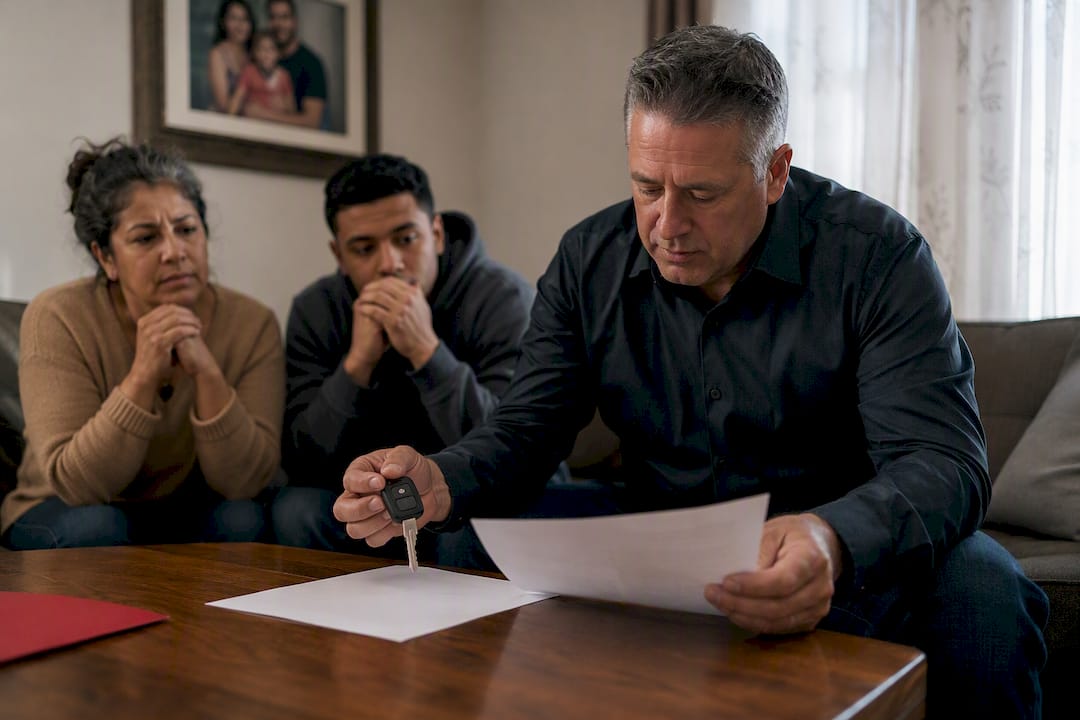
Where conventional advice falls short is treating unsecured bonds as the obviously better deal because they’re free upfront. They’re not free. They’re a deferred bet, and the downside (a civil judgment, wage garnishment, years of collection calls) can be worse than losing a car title you could’ve negotiated payment terms on instead.
What should families prioritize first? Talk to a licensed bondsman before assuming either option is off the table. State-regulated premium caps and collateral-light arrangements exist precisely because lawmakers know most families don’t have spare cash sitting around during an arrest. Understanding your real options, not just the textbook definitions, is what actually moves someone toward release faster.
— Jake
This article is general information, not a substitute for advice from a qualified lawyer. Consult a qualified legal professional about your own circumstances before acting on anything here.